
Just the other day, I was chatting with my daughter – my resident pint-sized philosopher – about a news story that had landed in my inbox. The government in Pakistan was apparently giving away free pink electric scooters to women. I was really intrigued – EVs used as a tool for social change? I’ve never seen anything like it, definitely not on this scale. This was really new.
Before I could even finish my thought, she put down her coffee with the gravity of a Supreme Court justice and started laying out her case. First, she argued that painting them pink might as well be painting a giant “look at me!” sign on women, which might not be the best idea for safety.
Second, a raffle is nice, but it’s like putting a band-aid on a broken leg; it doesn’t fix the real problem long-term. And third, she sighed, “Mom, you’re giving them freedom, but you’re putting them right back in a pink box.” Oof. From the mouths of babes.
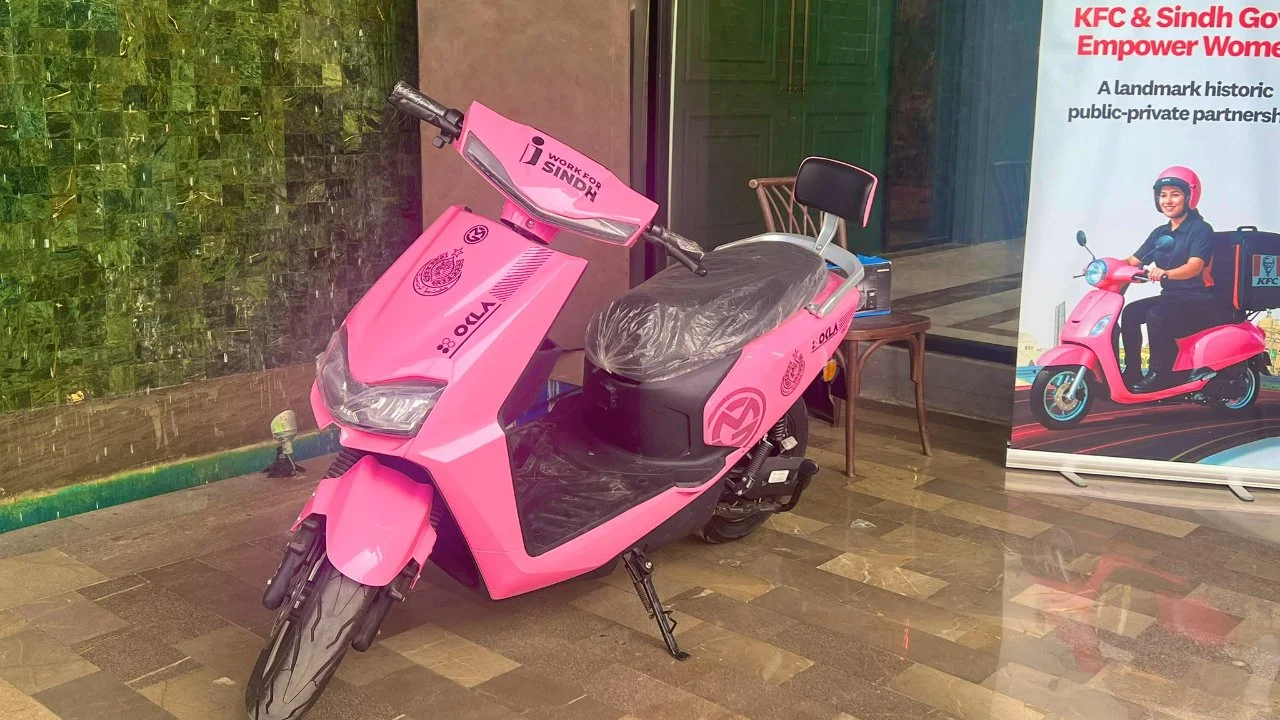
Image Credit: Government of Sindh.
And you know what? She’s not wrong. But the story is so much more wonderfully complicated than that. A government in Pakistan’s Sindh province has rolled out a project called the “Free Pink EV Scooty Scheme.” And they are genuinely trying to do something good. The goal is to give working women and students a way to get around that doesn’t involve cramming onto public transport, which can often be very unsafe experience.
In many parts of the world, just getting from Point A to Point B is an odyssey for women. Lack of safe transport is a barrier to getting an education, to holding down a job, and to just, you know, existing in public. The idea of handing a woman the keys to her own vehicle isn’t just about transportation; it’s about handing her a little piece of freedom. And in this case, that freedom just happens to be electric and bubblegum-colored.
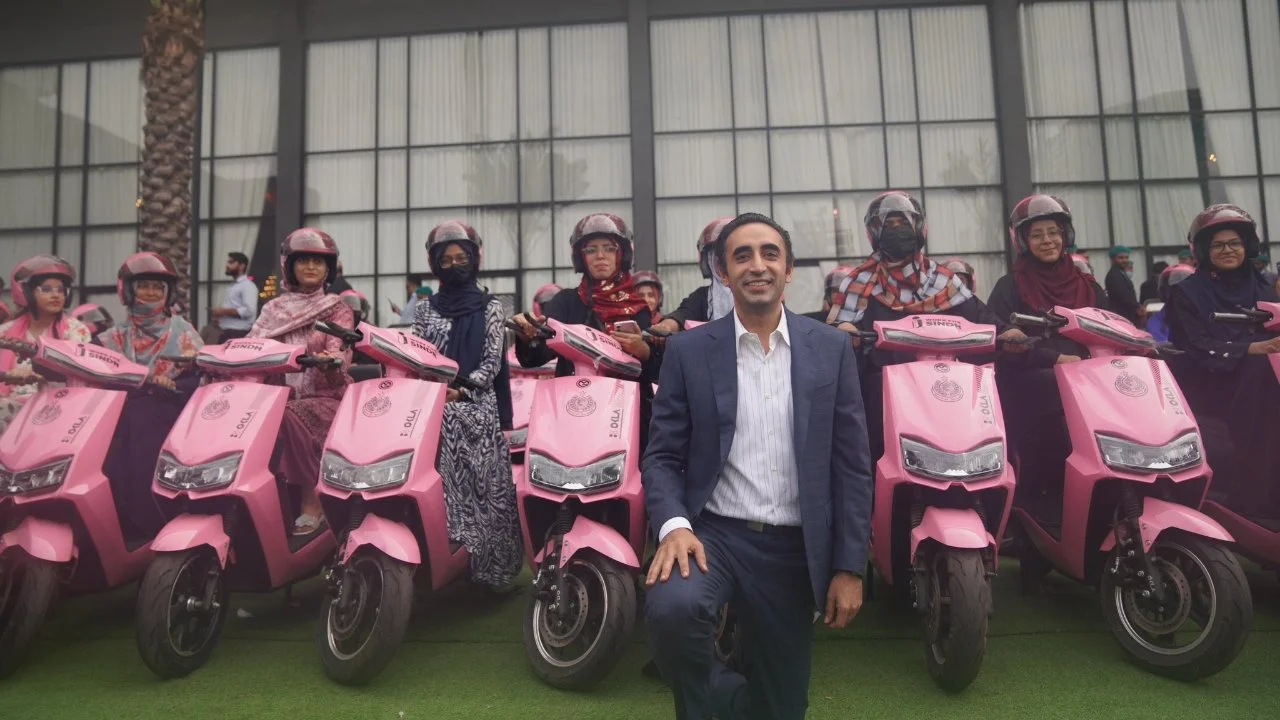
Image Credit: Government of Sindh.
How does one acquire one of these fabulous pink chariots? It’s not a free-for-all. Applicants have to be residents of Sindh, have a valid driver’s license, and prove they’re either working or in school. The winners are then chosen in a public lottery, all very transparent and above-board. They even have to pass a skills test before they can zip off into the sunset. It’s almost like a game show, but the prize is mobility and independence.
But here’s the part that really impressed me. This isn’t just a “here’s your scooter, good luck” kind of deal. The government is throwing in full registration, insurance, a helmet, and even rider training. They’re also building a network of EV charging stations. This really is an actual, thought-out plan – they’re creating a whole ecosystem to support these new riders. See? It’s more than just a pretty pink paint job.

Image Credit: Government of Sindh.
But let’s circle back to my little critic’s first point: the color. Is it a bit on the nose? Absolutely. It feels like an idea cooked up in a boardroom by a committee of well-meaning men. “What do ladies like? Pink! And… mobility!” And yes, it could draw unwanted attention. But I wonder if it could also create a kind of sisterhood of the traveling scooters? A “Pink Brigade” if you will. When you see another woman on a pink scooter, you know she’s part of the club. Maybe there’s strength in that visibility.
And what about my daughter’s second point, that a raffle is just a temporary fix? Guilty as charged. A lottery can’t solve systemic transportation issues for millions of women. But you have to start somewhere, right? Big changes often start with small, highly visible pilot programs. This scheme gets people talking. It shows other women what’s possible. It’s a spark. You can’t build a fire without a spark.
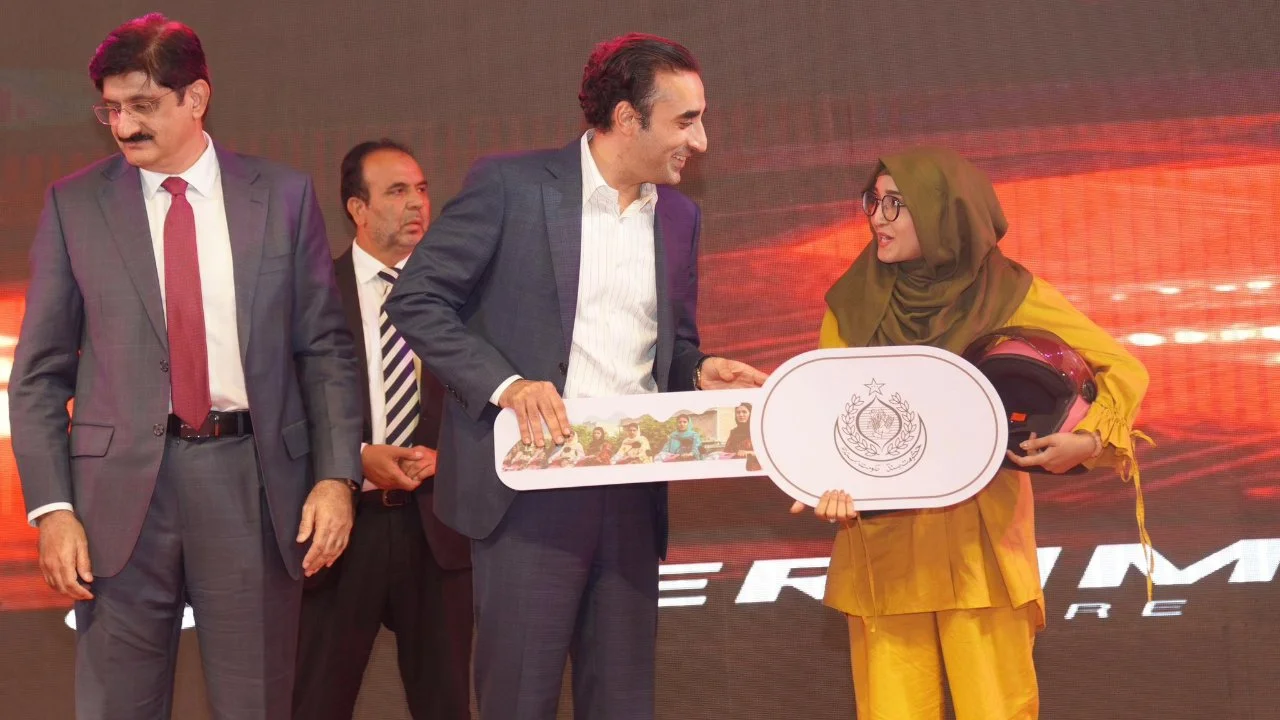
Image Credit: Government of Sindh.
As for being put in a “pink box,” I get it. It’s 2025, and we’re still defaulting to pink for girls. Truly groundbreaking… But if the choice is between being stuck at home, facing possible assault on public transport (real problem), or cruising to class on a scooter that happens to be pink, I think most women would choose the scooter. The freedom it provides is a much more powerful statement than the color of the fender. It’s a trade-off, for sure, but one that seems heavily weighted toward progress.
The gearhead in me is dying to know the juicy details – the battery capacity, the horsepower, the 0-to-30 time, the range on a single charge. But they haven’t released those specs. And maybe that’s the point.
This idea is all about empowering women and promoting sustainability at the same time. But the most important part of it is that it tries to break those old barriers. I know it’s an imperfect solution, a bit clumsy for sure. And yes – very, very pink. But you know what? This is just a start. I’m raising my coffee mug to a future that’s a little more mobile, a little more equal, and maybe, just maybe, available in other colors, too.