

Image Credit: Heart Aerospace.
Remember Heart Aerospace? Of course, you do; they're the Swedish whiz kids who promised us the ES-19, an all-electric plane that could carry 19 passengers. Well, they've gone and supersized their dreams (and their airplane). Meet the ES-30, a slightly chubbier version of its predecessor, with room for 30 passengers and a hybrid drivetrain.
Hybrid? Wasn't it supposed to be all-electric? Well, my friend, that's where things get interesting. The ES-30 is a "reserve-hybrid," which means it can fly on battery power alone for shorter hops – about 124 miles, give or take – and then switch to a backup generator for longer jaunts up to 497 miles if you're traveling light with just 25 passengers.
It's like a Prius of the skies, but instead of embarrassing your kids with its eco-warrior vibe, it's actually kind of cool. It's sleek and futuristic, and it's got those big, beautiful electric propellers that make my heart skip a beat.

Image Credit: Heart Aerospace.
But enough about my crush on this chunky Swede, let's talk specs. The ES-30 is powered by four electric motors that get their juice from BAE-Systems-designed batteries. It can be fully charged in just 30 minutes, which is less time than it takes me to decide what to wear in the morning (and I have way fewer moving parts, trust me).
The ES-30 is not only good for the environment with its lower carbon emissions, but it's also good for the bottom line. It's cheaper to operate and maintain than traditional airplanes, and it's much quieter, too. So, you can finally catch some shut-eye on a flight without needing industrial-strength earplugs.
But the real nugget? This baby can take off and land on runways as short as 3,609 feet (1,100 meters). That means it can access small, underserved communities and even those fancy "pocket airports" in big cities. Call it Uber of the skies but without the surge pricing (hopefully).

Image Credit: Heart Aerospace.
Heart Aerospace has already raised a cool $145 million from some pretty big names, including United Airlines, Air Canada, and Saab. They've got firm orders for 250 planes, with options for 120 more and letters of intent for another 191. That's a whole lot of faith in a plane that hasn't even taken its first flight yet. But I'm a believer. I believe in electric dreams, I believe in Swedish ingenuity, and I believe in the power of a good, chunky plane with a heart of gold (or at least, a heart of lithium-ion batteries).
So, here's to the ES-30, the Swede that's going to electrify our skies and maybe, just maybe, change the way we travel forever. And if it happens to do it with a little Scandinavian charm and a whole lot of heart, well, that's just the icing on the cake. Stay tuned for more updates on this electrifying adventure, and remember, the future of flight is looking brighter (and greener) than ever.
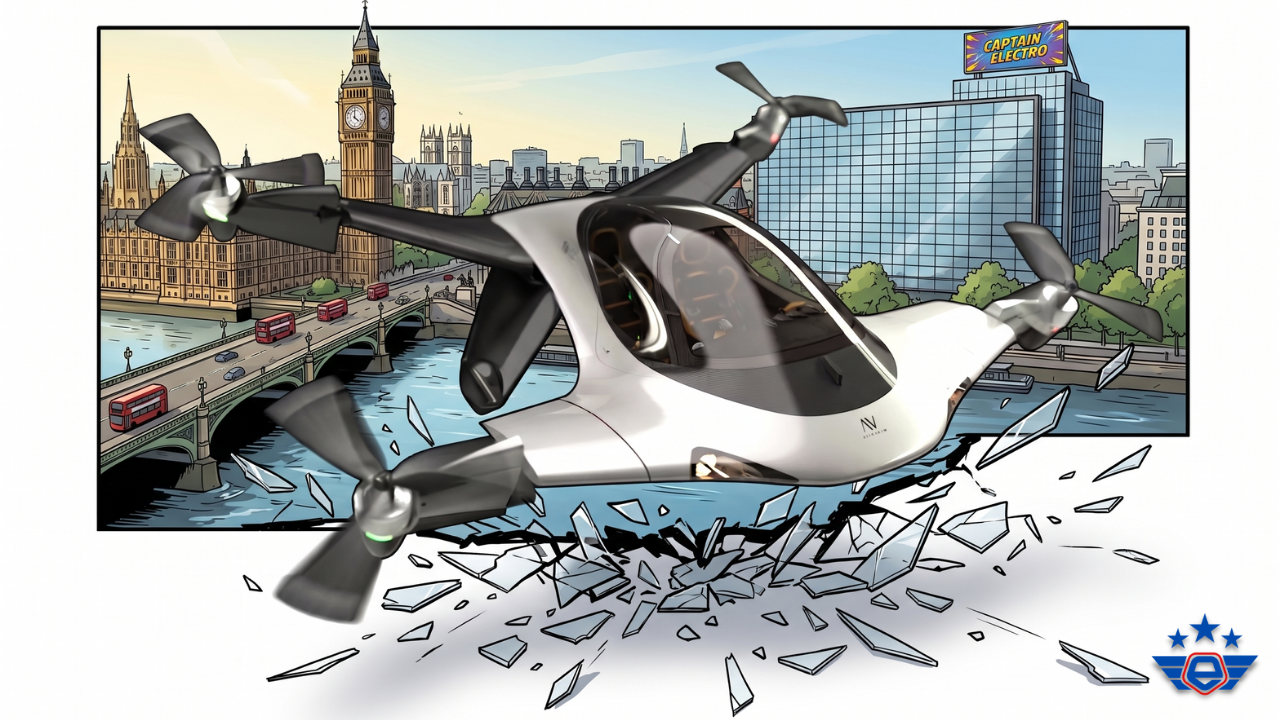
The AltoVolo Sigma is a spectacular new electric flying machine that promises to whisk two people across five hundred miles. Sure, the prototype is merely a wee remote control toy, but this terrifyingly fast aerial blender is daft and brilliant at the same time.
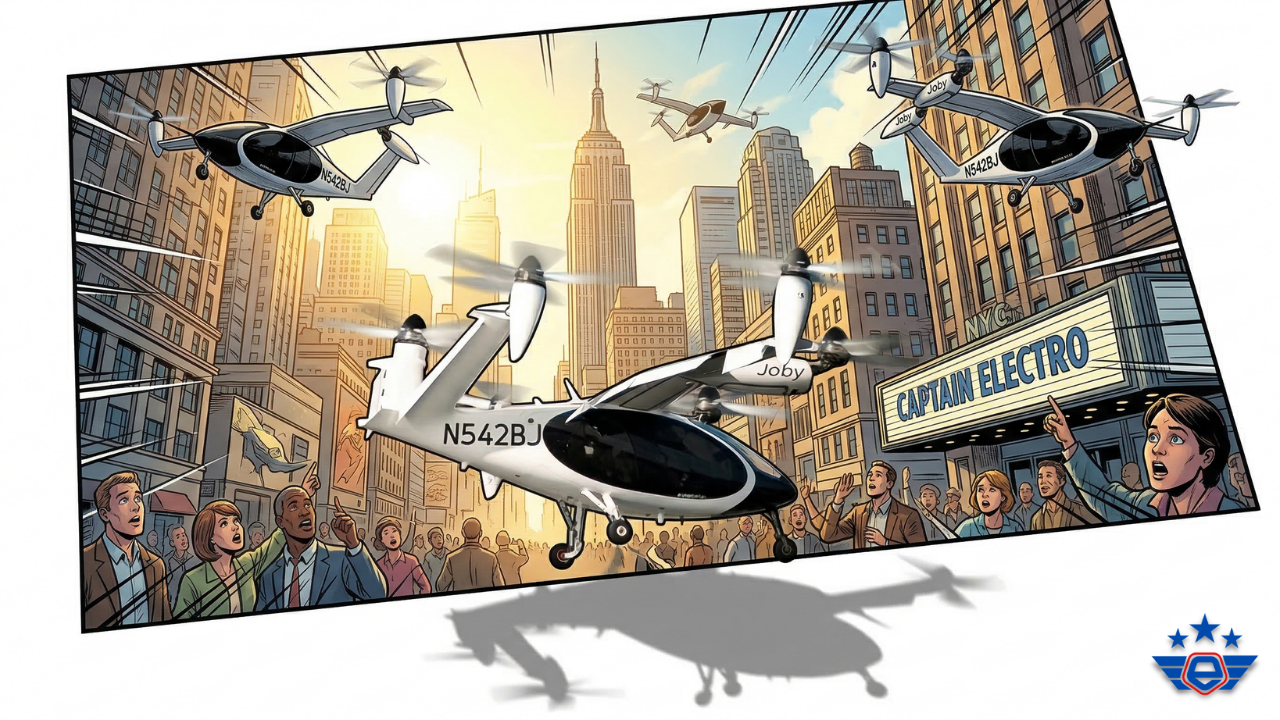
The FAA has finally stopped dragging its feet! This summer, electric air taxis are hitting US skies. From Manhattan rooftops to Texas plains, the eIPP program is launching a silent, sexy, and very fast revolution. Grab your goggles; we’re flying!
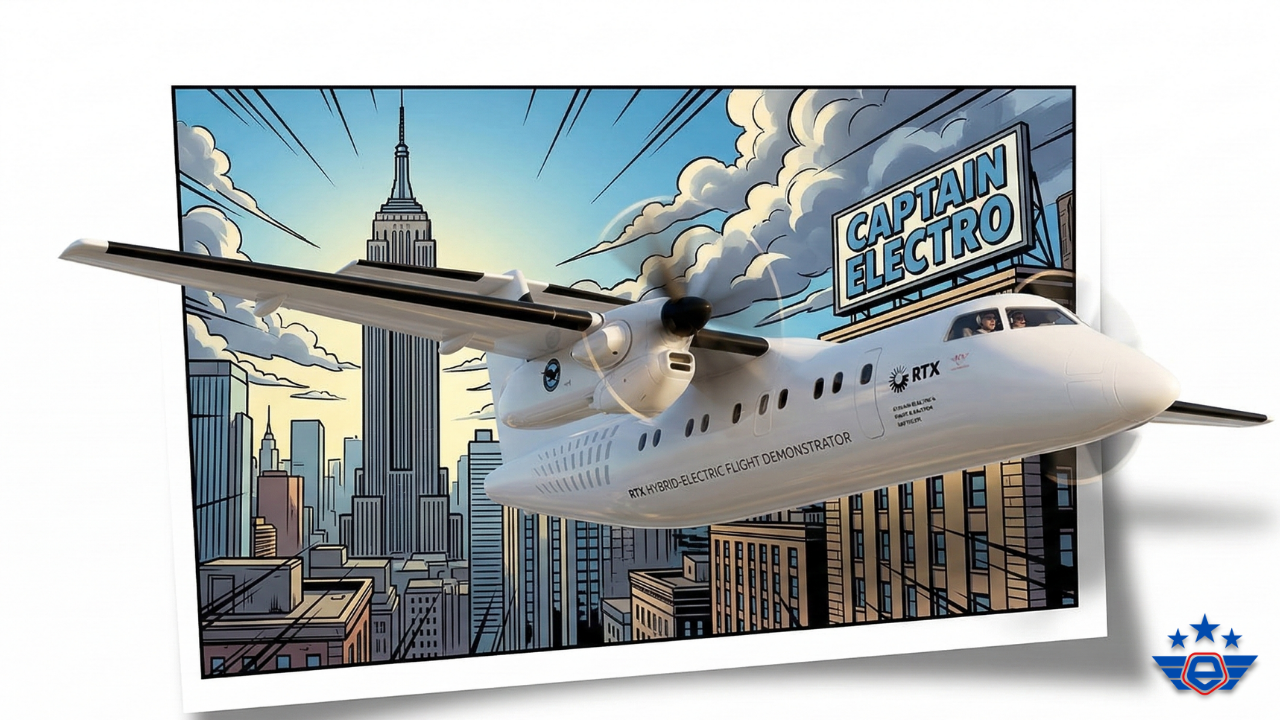
I’ve spent years mocking hybrids as glorified milk floats, but RTX’s new 2,680-horsepower "thermal-electric" plane engine might actually change my mind. It’s got the torque of a freight train and the thirst of a marathon runner. Is flying finally getting clever?

AutoFlight’s new Matrix eVTOL is a 20-rotor beast that laughs in the face of aerodynamics. With a 65-foot wingspan and room for 10 people - or a mountain of cargo - this massive electric aircraft completed a historic flight.
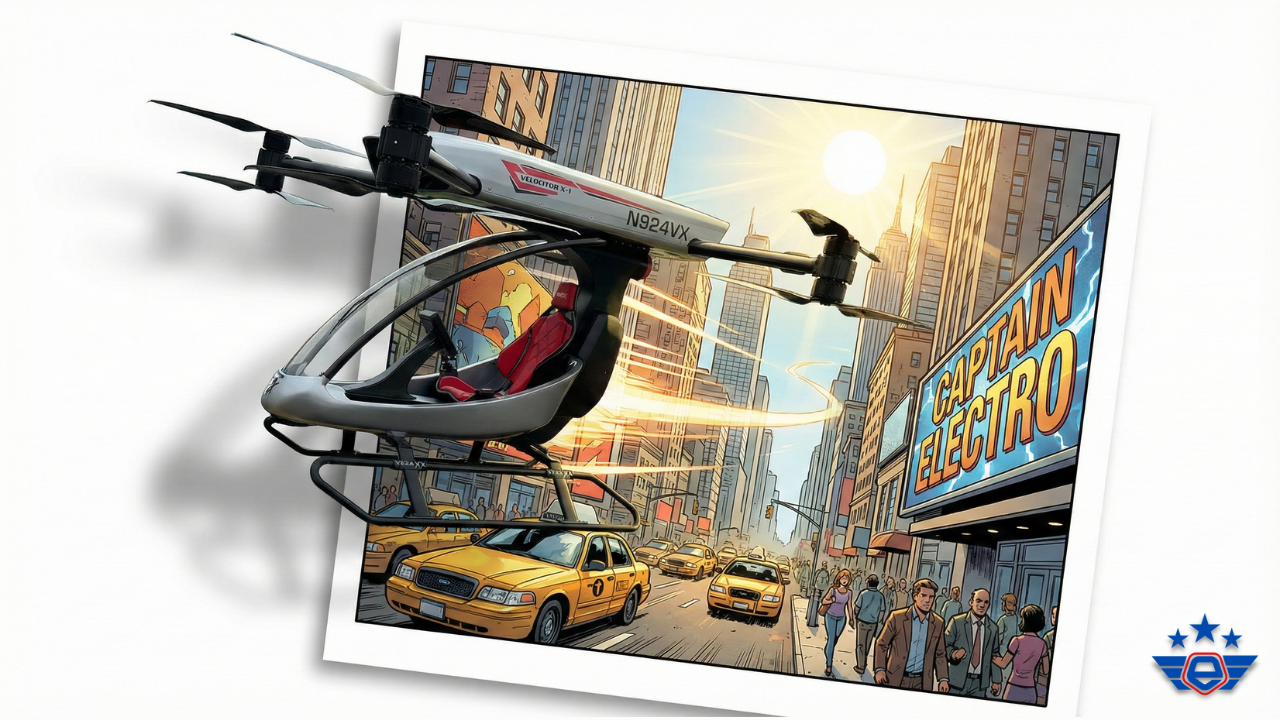
The Velocitor X-1 promises a Jetson-like future with a 70 mph cruise speed and a parachute for when gravity gets angry. It costs $156,000, takes six hours to charge, and you probably can’t legally fly it to work. I’ll take two.
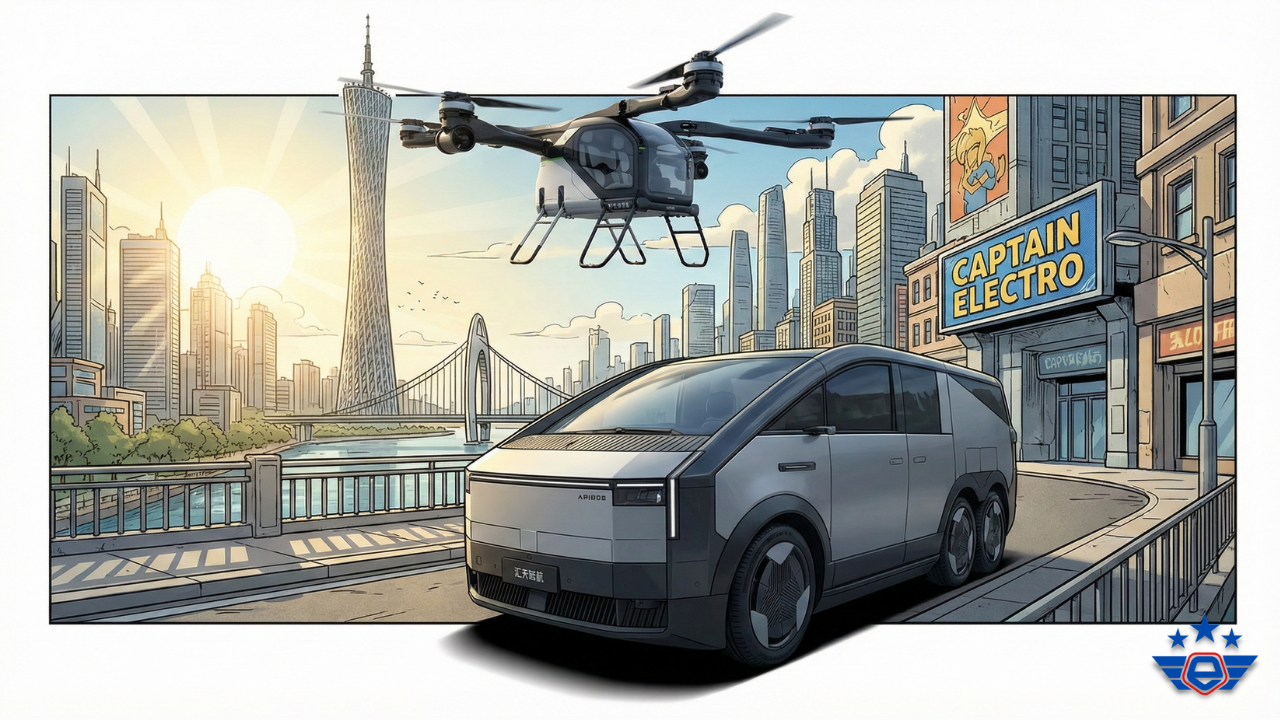
XPeng’s new Land Aircraft Carrier is a six-wheeled minivan with a built-in electric plane in the trunk. For $287,000, you get 620 miles of range and a personal drone, provided you don't mind the occasional prototype fireball. Absolute madness.

Horizon Aircraft has updated the Cavorite X7, ditching two fans for a simpler, slicker 12-fan design. With a hybrid powertrain offering a 500-mile range and 280 mph top speed, this Canadian eVTOL might actually be the flying car we were promised.
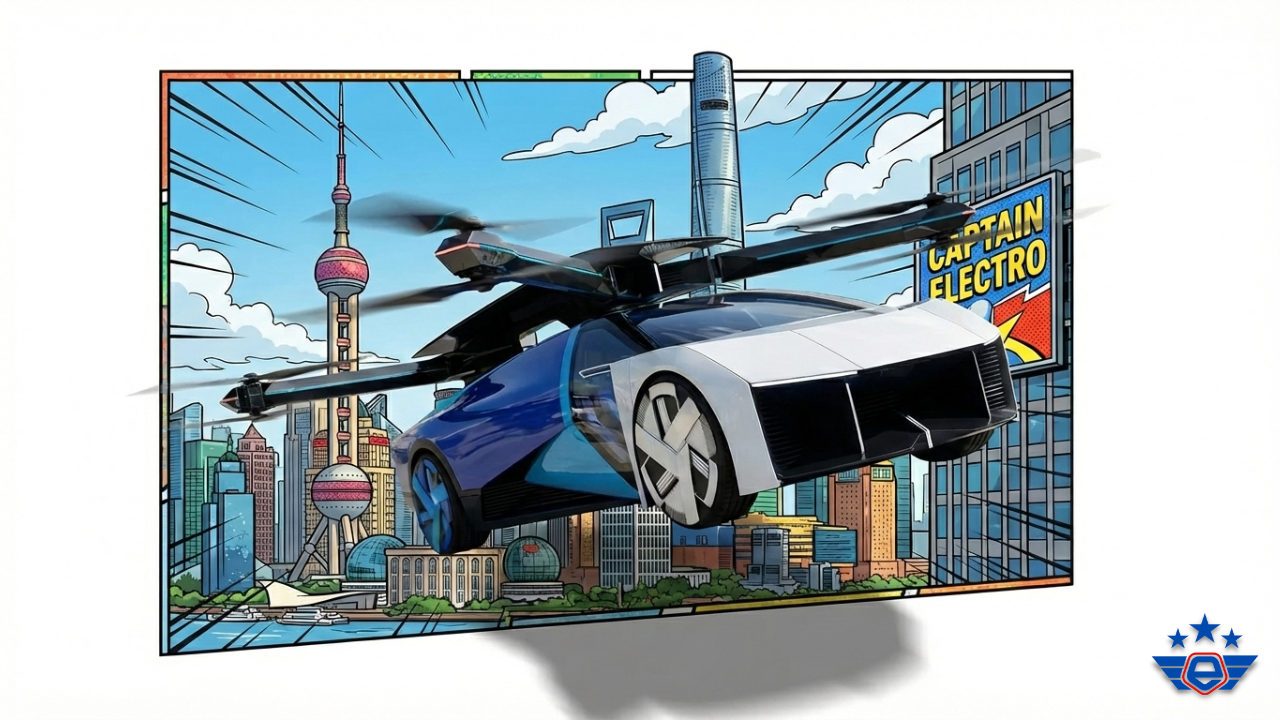
Shanghai bets $11.4 billion on becoming the "World’s eVTOL Capital" by 2028. The plan involves 500 new aircraft models, 100,000 flying taxis, billions in investment, and the terrified realization that gravity is still a thing.

A flying car for the price of a Camry? The Rictor X4 promises sky-high commuting for just $40k. It fits in a truck, requires no license, and gives you 20 minutes of terror - I mean, flight. Sign me up, or maybe not.

The LEO JetBike is a $100,000 electric flying motorcycle that requires no pilot’s license, runs for 15 minutes, and hovers 15 feet in the air. It’s terrifying, expensive, and impractical - and I absolutely want one. Here is why you should too.

Joby Aviation crushed 2025 with 50,000 flight miles and a Toyota-backed victory lap in Japan. The S4 is fast, quiet, and real - but thanks to the FAA’s love of paperwork, you might be stuck in traffic until 2027. Future? Yes. Soon? Maybe.
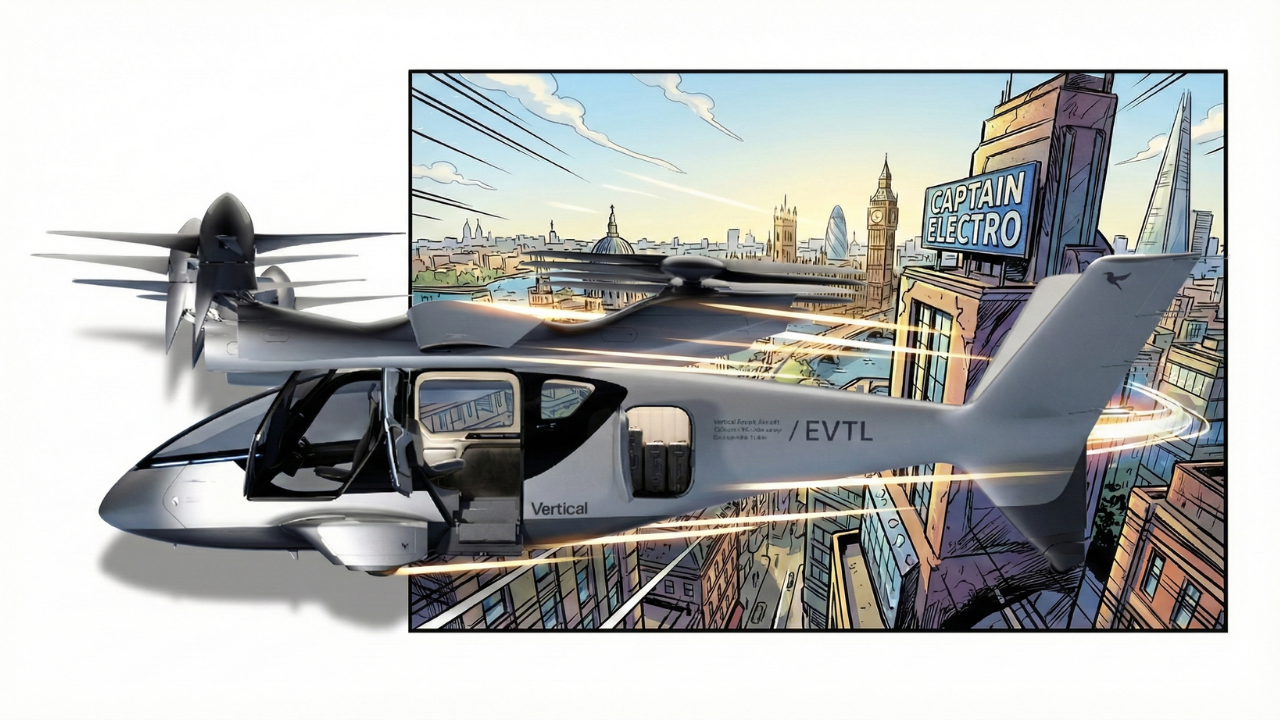
The new electric Valo eVTOL claims to be as quiet as a washing machine, which is either a revolution in aviation or a sign I’m going deaf. It seats six and cruises at 150 mph, promising to turn a 90-minute road trip into a breezy 12-minute commute for the very few.
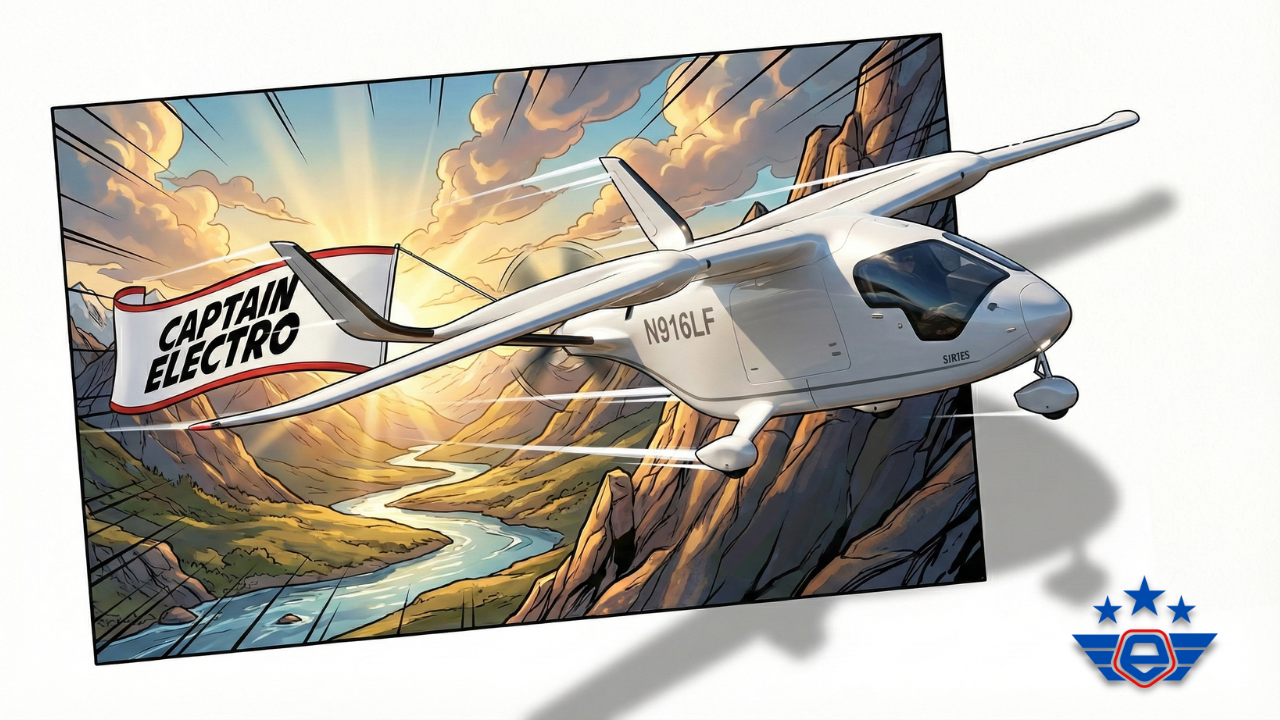
The new electric ALIA CX300, looking like an Arctic Tern that swallowed a cargo box, hits a brisk 176 mph, powered by a 528 HP motor and a 2,810-pound battery. It’s perfect for New Zealand's short hops and has an insane $18 per hour energy cost. Just don't ask about the purchase price.

This electric airborne chimera, the E20, just proved its multi-rotor, tilt-wing, vectored-thrust confusion works by completing its "transition flight." It's a $960,000 luxury flying egg-beater that can hit 199 mph and charges in 20 minutes, giving executives more time to spill coffee.
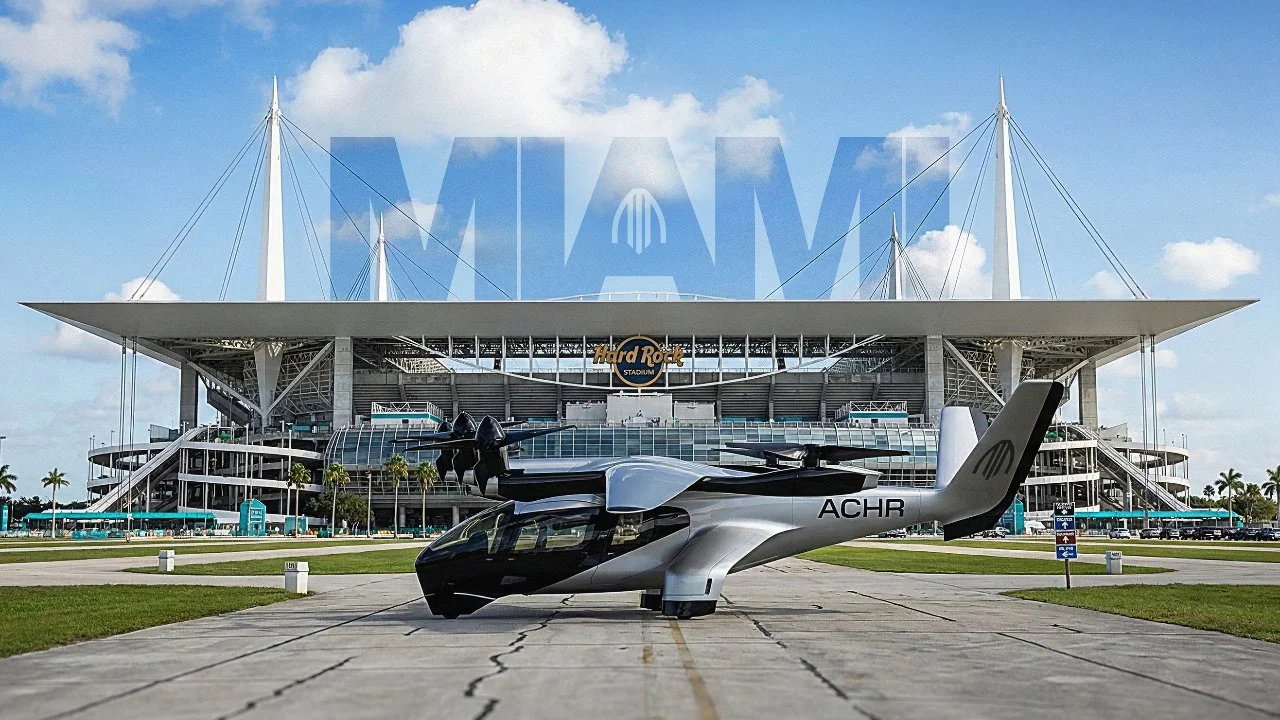
Archer Aviation promises to end your South Florida traffic misery with their new flying taxi network. I've heard this song before, usually sung by someone wearing a silver jumpsuit. Still, a 10-minute flight over Miami to avoid a 90-minute crawl? I might actually believe this one…

The air taxi dream is back, thanks to AutoFlight's floating vertiport, the "Integrated Sea-Air Low-Altitude Economy Solution." It’s a self-propelled barge covered in solar panels, capable of handling 4,409-pound aircraft. Now we just need a name that doesn't sound like a government audit.

A single-seat electric hoverbike for $99,900. It's Part 103 legal, uses 48 tiny jet fans, and flies for a solid 10 to 15 minutes on a promise and a prayer. If the solid-state battery shows up, you can finally commute like a high-powered, low-altitude vacuum cleaner.

Archer Aviation just bought a $126 million airport in Los Angeles to launch their electric air taxi revolution. With the Olympics coming and traffic getting worse, this 50-mile range electric chopper might actually save us from the 405 freeway nightmare.
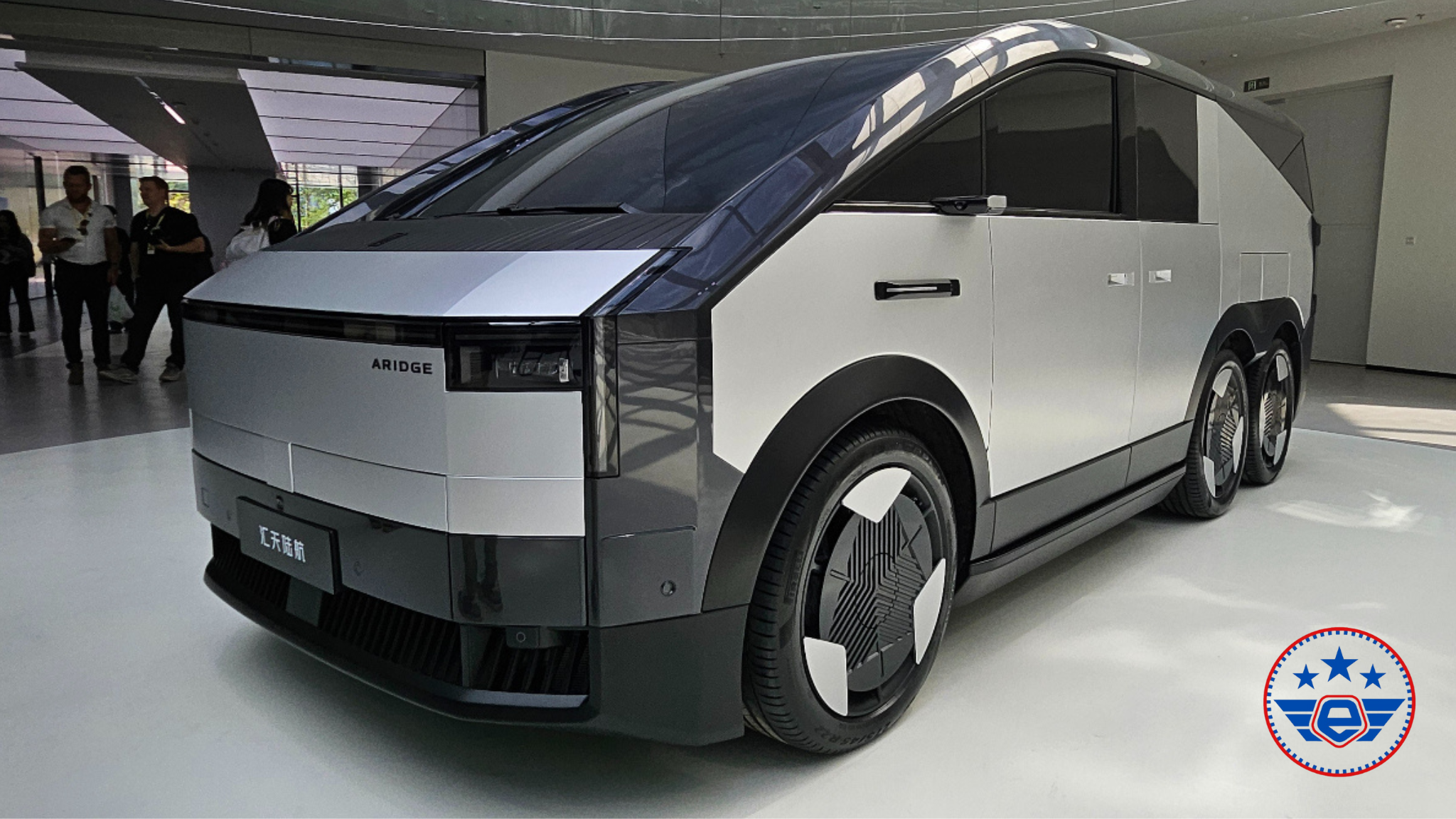
The "flying car" is finally here. Sort of. For $280,000, XPENG's Aridge gives you a two-seater drone... and the six-wheeled truck to carry it in. It's the most gloriously unnecessary, but brilliant "what if" I've seen in years.

They finally did it. A Chinese company called Aridge is mass-producing a "Land Aircraft Carrier." It’s a 6x6 hybrid truck that launches a two-seat drone from its back. And at $281,000, it’s almost… cheap? My skepticism is officially confused.
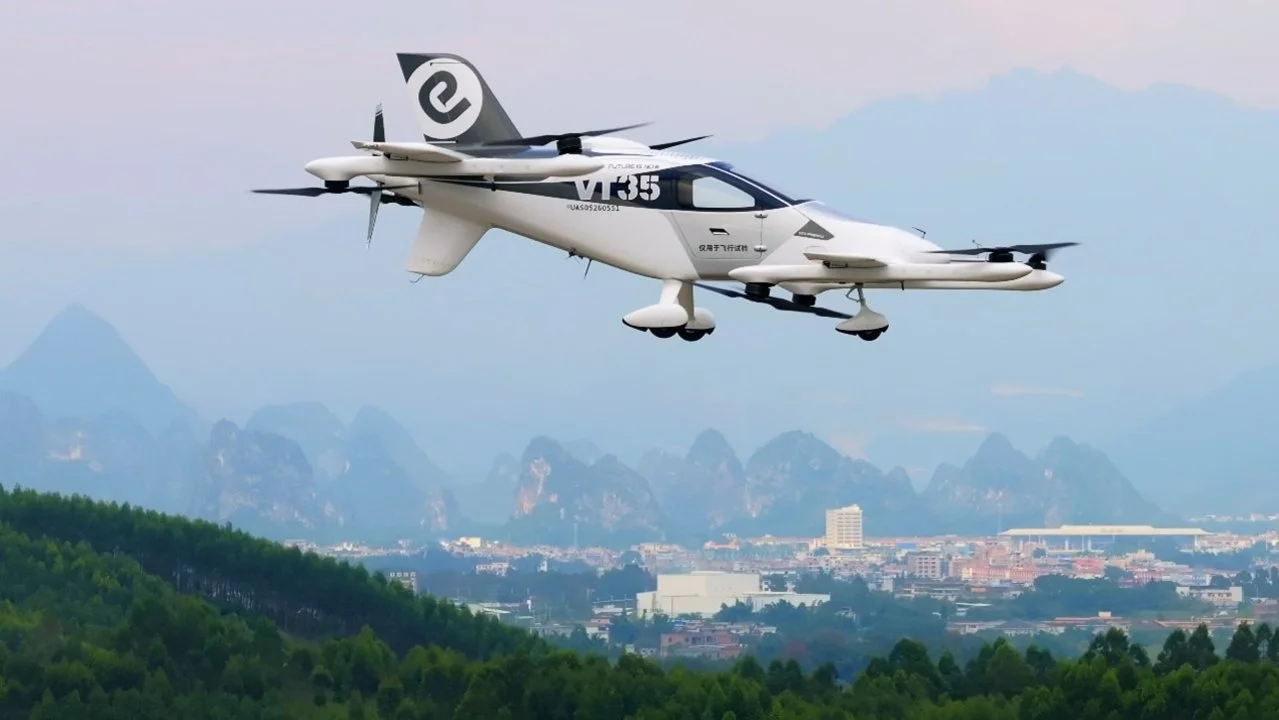
EHang’s new VT35 is a $910,000, two-seat electric drone that wants to be your next taxi. It's got nine propellers, a 124-mile range, and, most terrifyingly, no pilot. What could possibly go wrong?

The flying car is finally here, but it's not what you think. It's a six-wheeled electric monster truck that gives birth to a two-person drone. A Chinese company called Aridge is selling them for $280,000. The future is weird.

We’ve been promised flying cars. We got noisy disappointments. But I just saw the real deal from Joby and Archer. They’re electric, they’re clever, and the most shocking thing about them? You can barely hear them coming.

The flying taxi is no longer science fiction. Geely's Aerofugia AE200 eVTOL just rolled off the line, promising a 124-mile electric range for four passengers - a quiet, cheap-to-run helicopter. My inner skeptic is cautious, my inner child is giddy.

Tired of airports? Electra's new hybrid-electric plane might be the answer. It uses eight propellers and a trick called "blown lift" to take off from a 300-foot strip of grass. Yes, really. It’s the flying minivan we never knew we needed.

Forget flying taxis to the office. The AirKart is an electric, single-seater flying machine for racing your friends on a dedicated track. It's the most ridiculously brilliant, three-dimensional version of go-karting you could possibly imagine. I want one.

Forget flying cars; the future of your commute might be a giant, battery-powered egg. Austrian startup FlyNow just flew its eCopter untethered for the first time, promising a quiet ride that’s no louder than your dishwasher.

The future we were promised is peeking over the horizon. An electric air taxi just flew 17 miles and landed at a military airshow. Vertical Aerospace's VX4 is a four-passenger eVTOL wants to be your next Uber. There’s only one catch…

For decades, the flying car has been a joke. But now, Joby Aviation, a company building electric air taxis, is getting serious. With a massive factory expansion and help from the manufacturing geniuses at Toyota, they’re planning to build hundreds of these eVTOLs a year. I’m still skeptical, of course, but for the first time in my life, I'm starting to believe we might actually get to fly over traffic jams.

Is it a boat? A plane? This electric "seaglider" from Regent can’t seem to decide. It starts as a boat, rises onto hydrofoils like a water-strider, and then "flies" just feet above the sea on a cushion of air. It’s a brilliantly confused, 15,000-pound piece of engineering that promises 180 miles of emission-free coastal travel.
